Two best friends. A year that worked. A studio that won't stop.
Soil and Soul started as two best friends whose life paths finally aligned at the right time. That's where it clicked.
Soil and Soul started as two best friends whose life paths finally aligned at the right time. That's where it clicked.
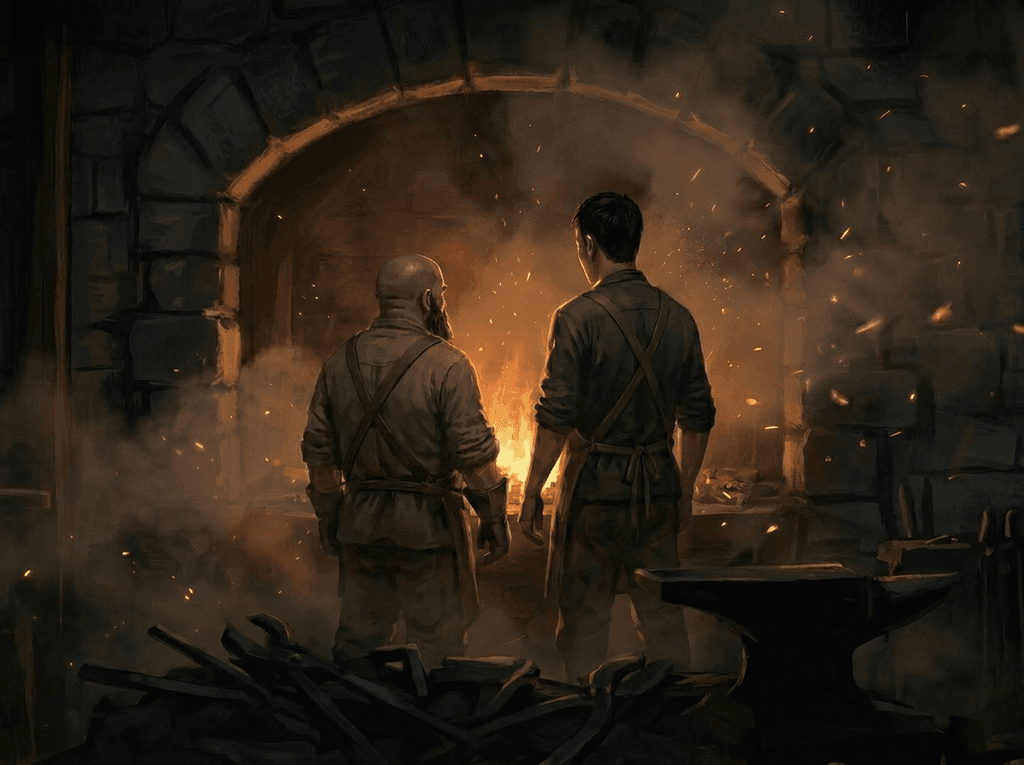
Before Soil and Soul was a studio, it was two best friends at the same crossroads at the same time.
Swak was in a year of deep engineering work — the kind where you shut off the world and just build. Locked in. Incubating. Sharpening the engineering side of his practice while a lot of other things went quiet on purpose.
Noc was between jobs. A decade-deep digital artist with mobile gaming credits and a relentless drive to reach Art Director — but running into the same wall that every senior creative hits eventually. The one where scaling your career means something other than just being good at what you do.
They moved in together. Split the rent. Figured it out.
Without a corporate schedule to answer to, they started exploring. Shipping. Prototyping. The creative flew. They found the recipe — the specific way they made things — and they didn't stop.
What happened next wasn't a plan. It was proximity + time + two people who had always made things together.
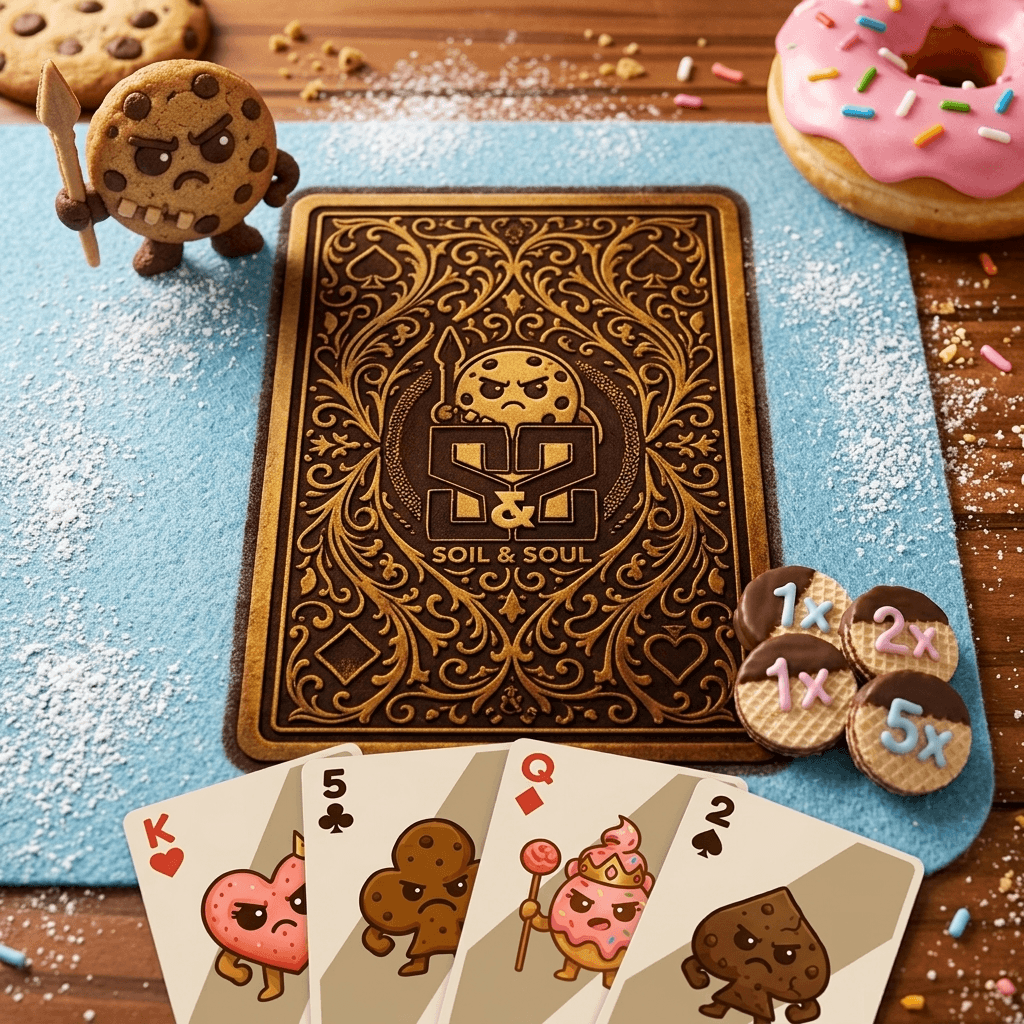
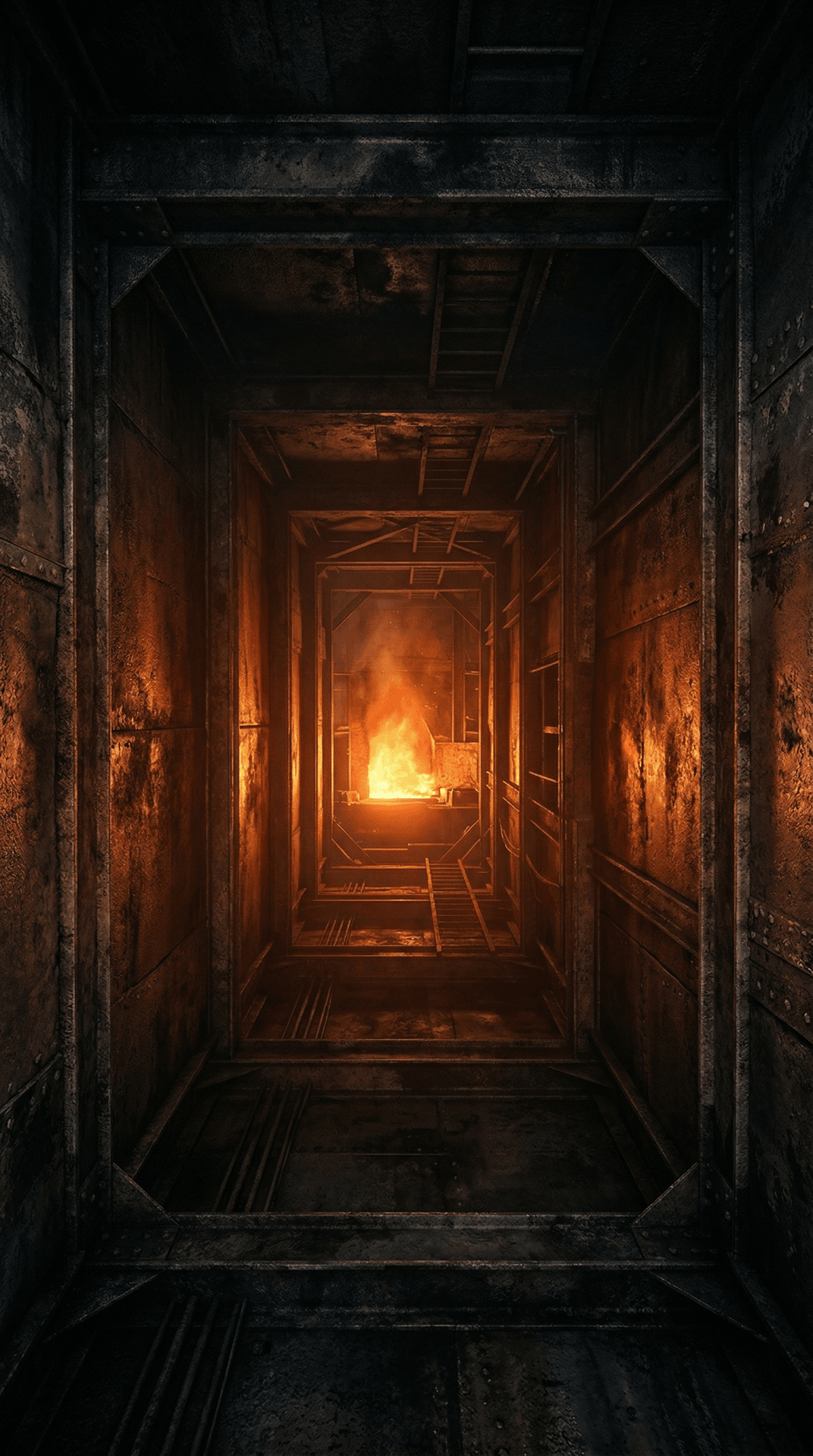
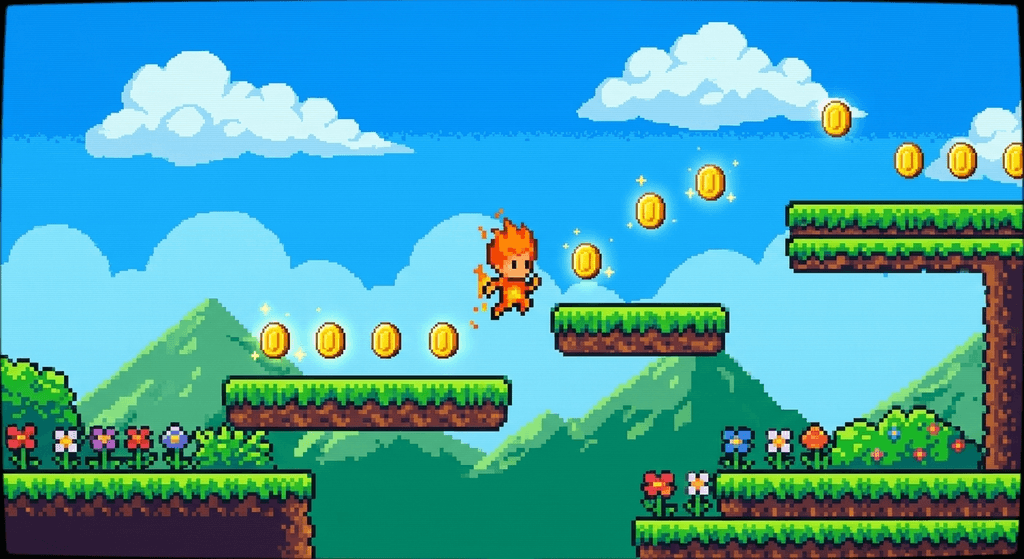
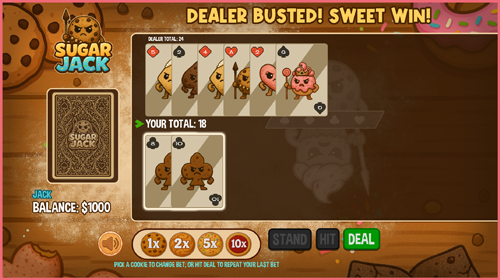
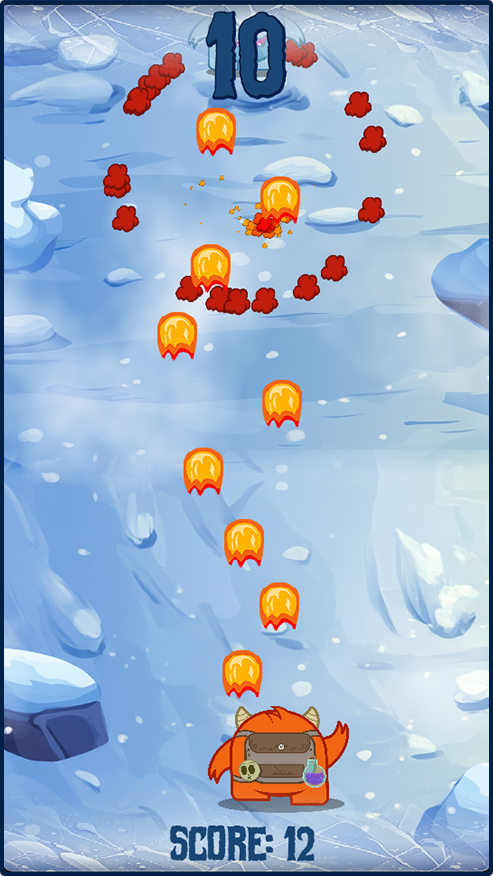
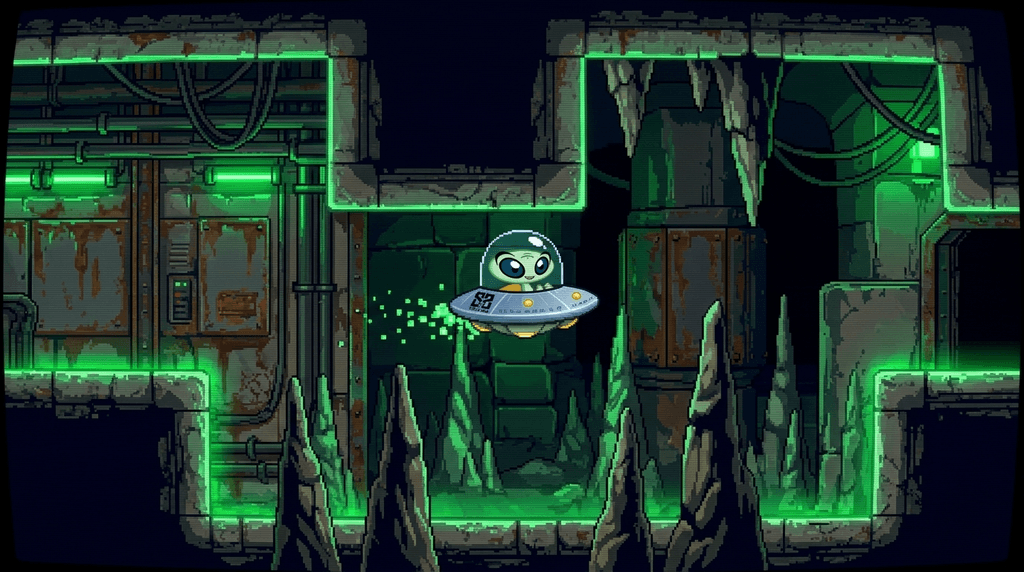
Without a corporate schedule to answer to, they started exploring. Shipping. Prototyping. Each game was a learning ground: Blaze taught the fundamentals, Igniti taught game loops, Escape: Area 51 taught the elegance of hard simple design, SugarJack was Noc's leap into code — his art instincts informing his engineering taste in a way no bootcamp could teach. Then Incantix introduced generative AI into the pipeline, and suddenly what two people could build in a week tripled.
The creative flew. They found the recipe — the specific way they made things — and they didn't stop.
"Once we found the recipe, we haven't stopped."
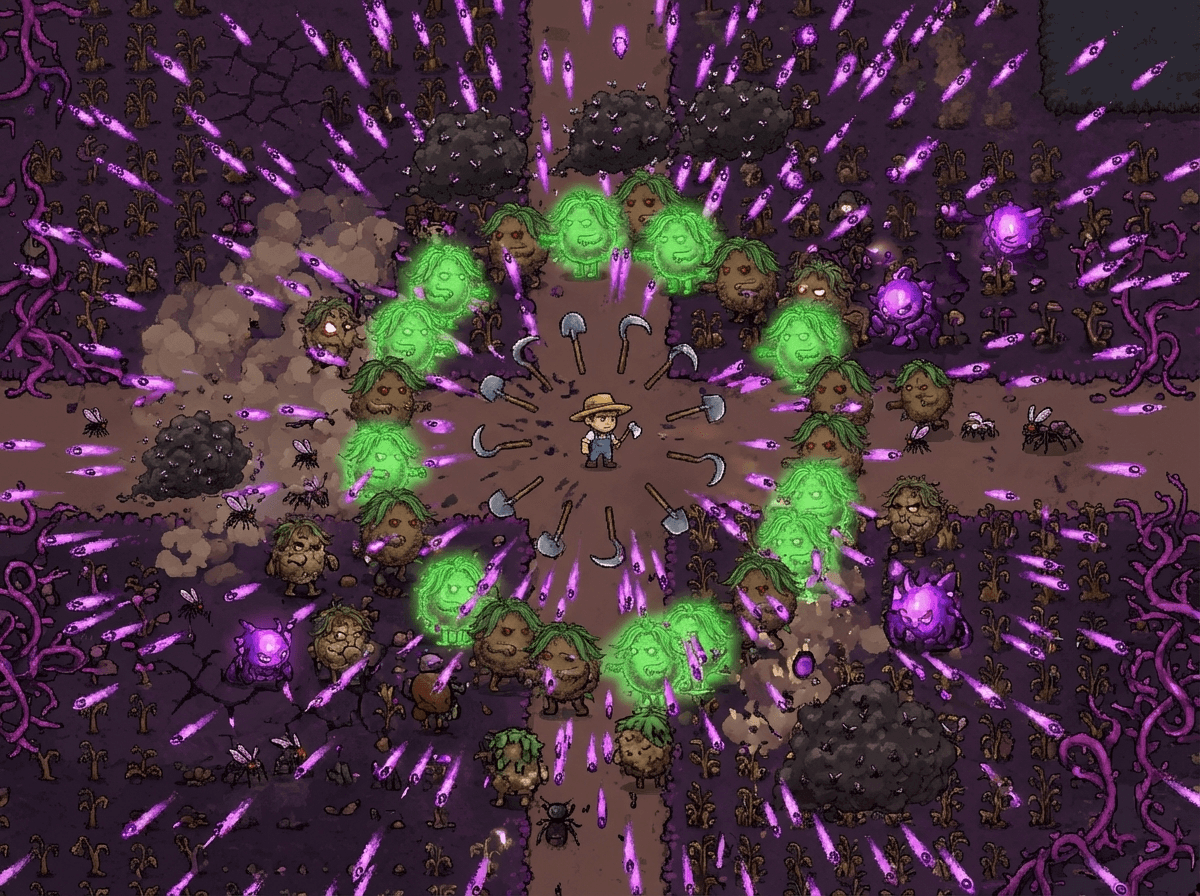
"I wanted chaos on the screen — tons of things handled without the game crashing, and it was simple and fun. Little moments of 'that's sick.'"
Both of them had noticed the same thing from different angles: the big companies were shipping junk. Soulless pipelines, committee-built titles, nothing that felt like anyone's passion. Entertainment that wasn't even fun anymore unless it was a game — and even then, half of it was chasing metrics instead of joy.
They'd always had fun making games. It was the thing they kept coming back to no matter what else was going on. The crossroads year reignited that. And once they saw what two of them could ship in parallel with AI-accelerated workflows, agentic teams, and generative tools — the trajectory changed.
Within a year, Steam and mobile went from "a dream we've always had" to "the thing we're doing next."
"Big companies were making junk. We made our own fun."
"Our 'I want to get on Steam and be proud of something we made from scratch' game."
What they didn't expect was what the work did to the people around them. Once the output started flowing, other creators noticed. Artists, engineers, designers who were tired of corporate pipelines and hungry for the same kind of room to make things. The studio stopped being two friends. It became a league.
Soil and Soul now works with a growing circle of collaborators. People who want what Swak and Noc found in that year together — proximity, permission, and a recipe that works.
"Not just two best college friends. Now a league of amazing friends who design and develop and create."
"I have teams — lots of them — they do different shit. I am proud of them. They are me and I am them."
Shaun Wakashige
Swak was deep in a year of heads-down engineering work when Soil and Soul began — locked in, incubating, sharpening one side of his craft. The crossroads year gave him room to apply it. He brings engineering discipline and design instinct to every project, and a willingness to build things that didn't exist before.
Nocfire
Noc came in with a decade of mobile gaming credits and a relentless drive to reach Art Director. He was running into the wall every senior creative knows — the one where being talented stops being enough. The crossroads year gave him room to scale. His art instincts now inform everything from game visuals to pipeline design.
Our workflow blends human creativity with AI-powered tools to ship games faster without sacrificing quality.
Every game starts with a spark — a mechanic, a feeling, a "what if." We prototype fast and kill ideas faster.
Lock the core loop. Define scope. Art direction, sound palette, UI wireframes — all before writing production code.
AI-augmented development. Generative art pipelines, agentic code workflows, and a lot of manual polish where it counts.
Launch on itch.io or Steam. Gather feedback. Patch. Repeat. Every release is a lesson.
We don't use AI as a gimmick. We use it as a force multiplier. From concept art exploration to code generation, AI tools are woven into every stage of our pipeline. It's not about replacing creativity — it's about amplifying it.
We're transparent about our process because we believe the future of indie game development is AI-augmented. The studios that embrace these tools wisely will build things that were impossible five years ago.